On a film shoot, the value of the equipment isn't measured only in the price of a camera or a lens. It's also in the unit's time, the continuity of the day, and the trust of a crew that needs to find every flight case ready, protected and in the agreed spot.
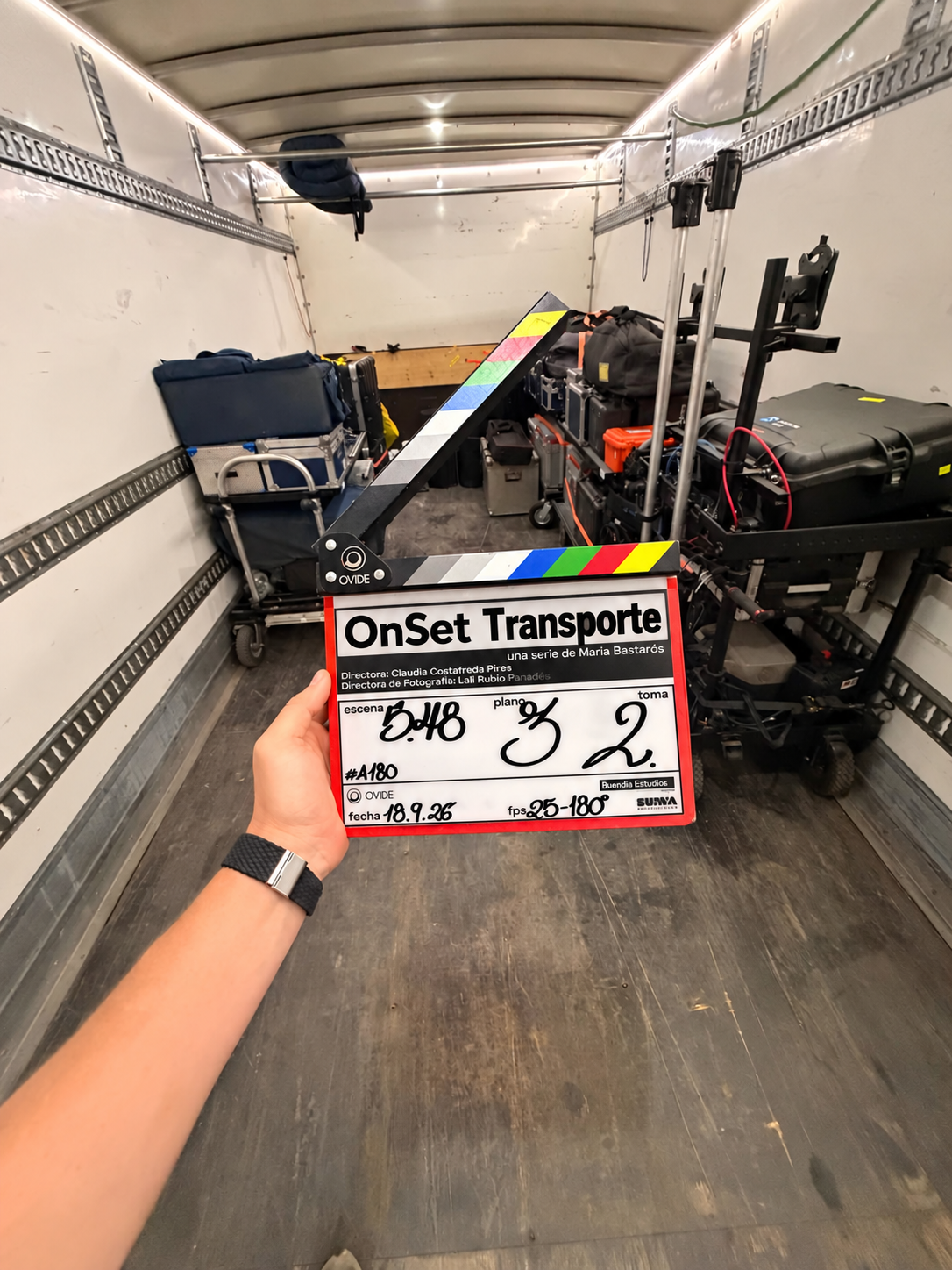
It's not just transport — it's production continuity
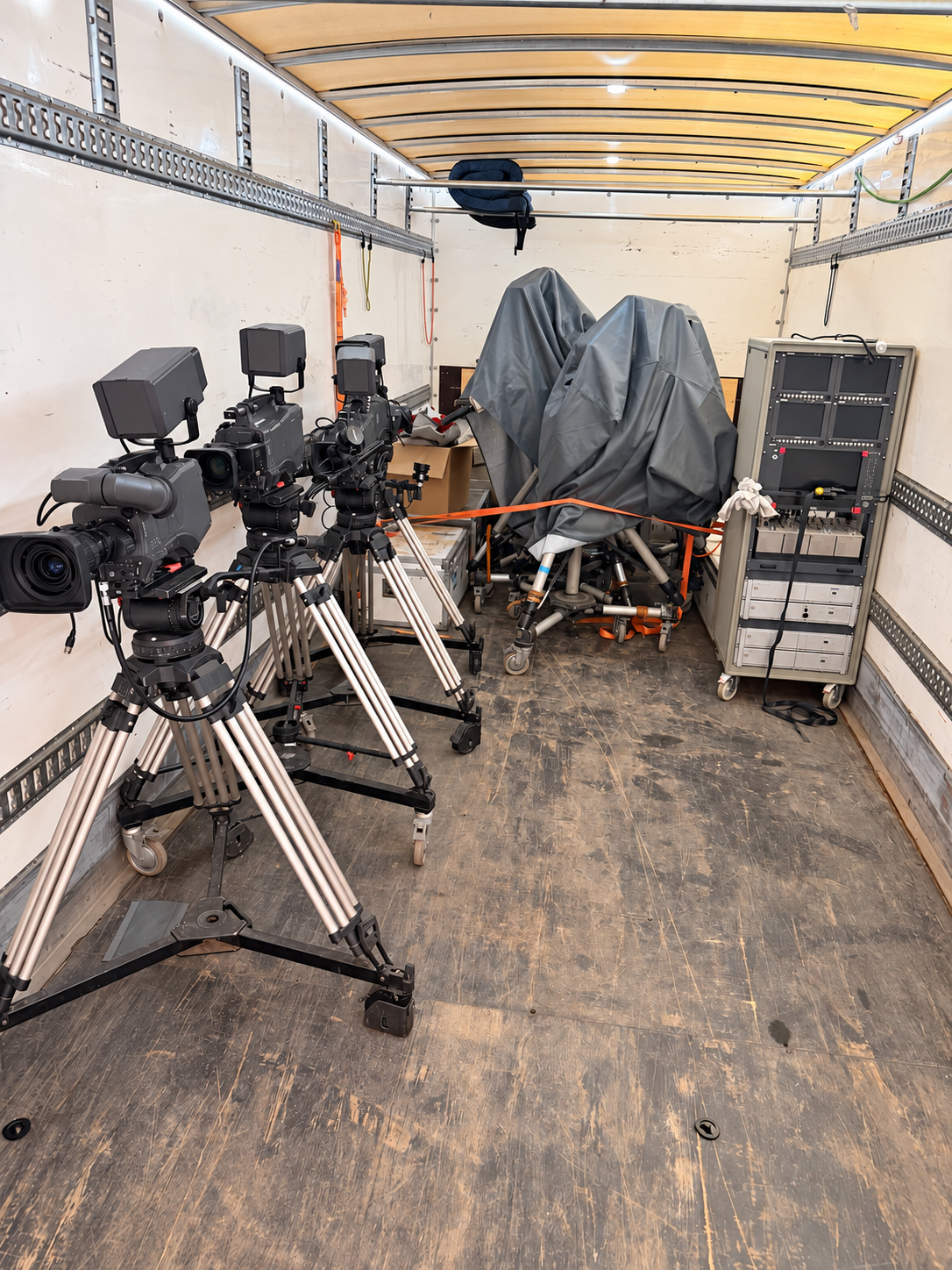
A film camera, a set of lenses, monitors, batteries, video assist or a DIT station are usually part of a complete system. If one piece is delayed, poorly labelled, or ends up inaccessible under other boxes, the whole crew feels it. That's why transport needs to understand the pickup order, the unloading order, and who receives the material.
The goal isn't to move "items" — it's to keep a clear operation running from the rental house, the warehouse or the set, through to the next location.
Flight cases, trolleys and technical equipment: how the vehicle is prepared
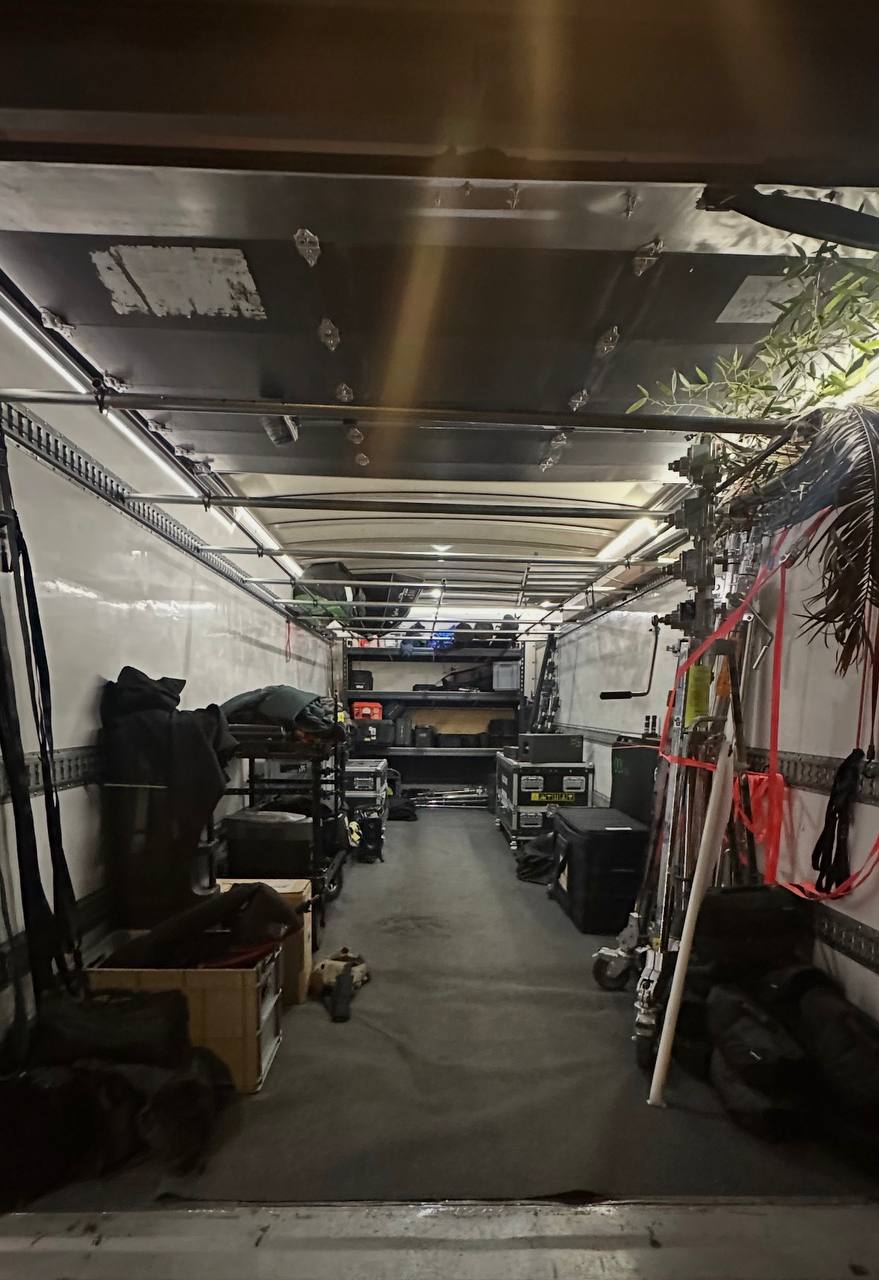
Cameras and accessories usually travel in flight cases, rigid cases, trolleys and containers designed for production work. Before departure, we check how they're arranged inside the body, which pieces need to stay accessible first, and which equipment must not take pressure from other loads.
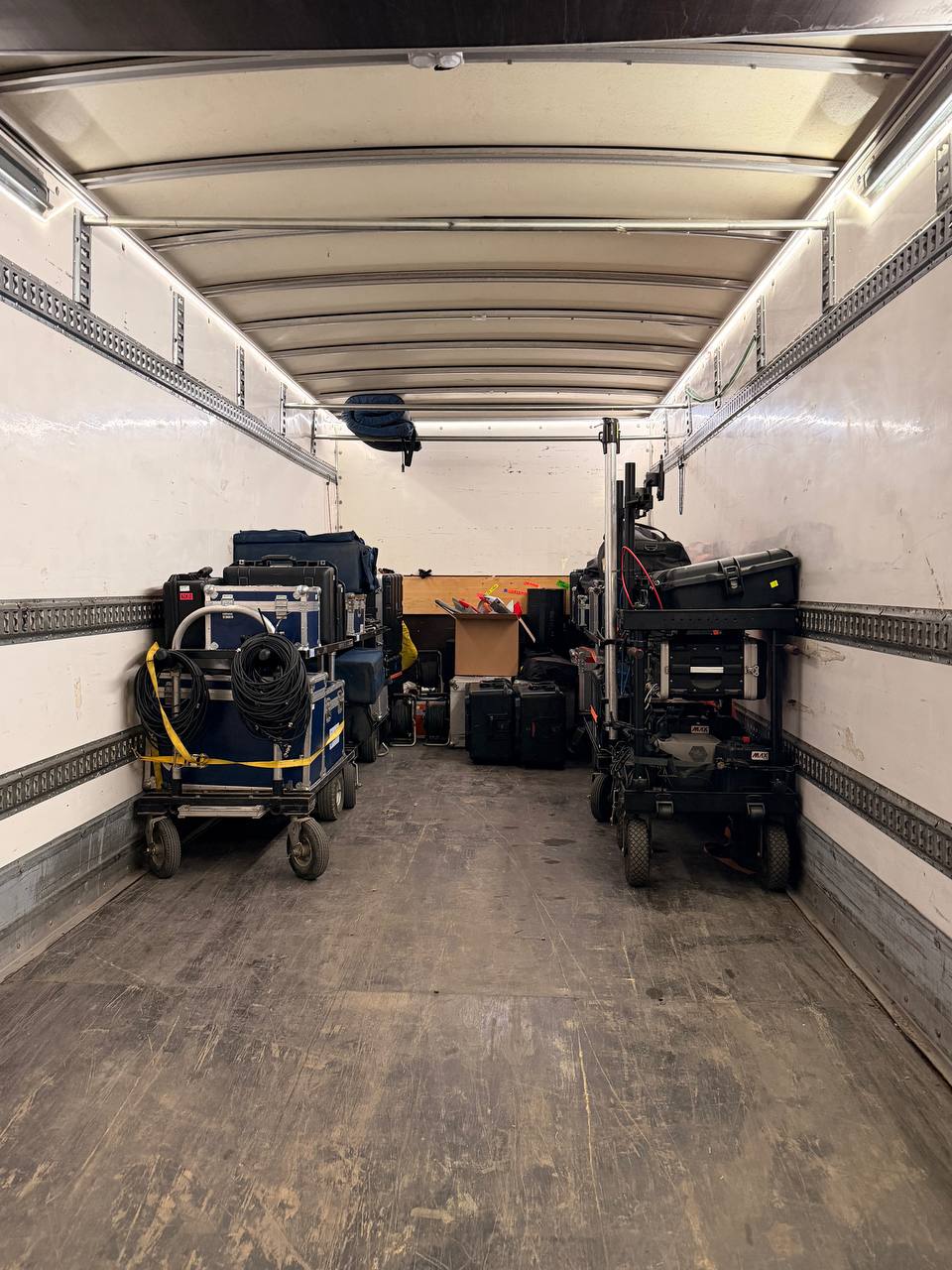
- The load is arranged to avoid unnecessary movement and handling.
- Equipment that's unloaded first stays accessible.
- Trolleys are immobilised and cases are placed in a stable layout.
- We confirm whether camera, DIT, sound, grip or support material needs to travel in the same service.
- Production flags any special handling or delivery instructions.
Coordination with camera and production makes the difference
Operational contact before the service matters as much as the vehicle itself. We confirm schedules, the loading point, access to the location, who's responsible for delivery, and the phone number of the person receiving. On a day with set changes, a night shoot or several pickups, having one clear point of contact reduces errors and unnecessary calls.
It's also worth knowing whether the vehicle needs to wait at base, return to a supplier, pass by a hotel, pick up an extra unit, or stay available for the wrap. With that information, the route can be planned around production's real timing.
Location access and set-side delivery
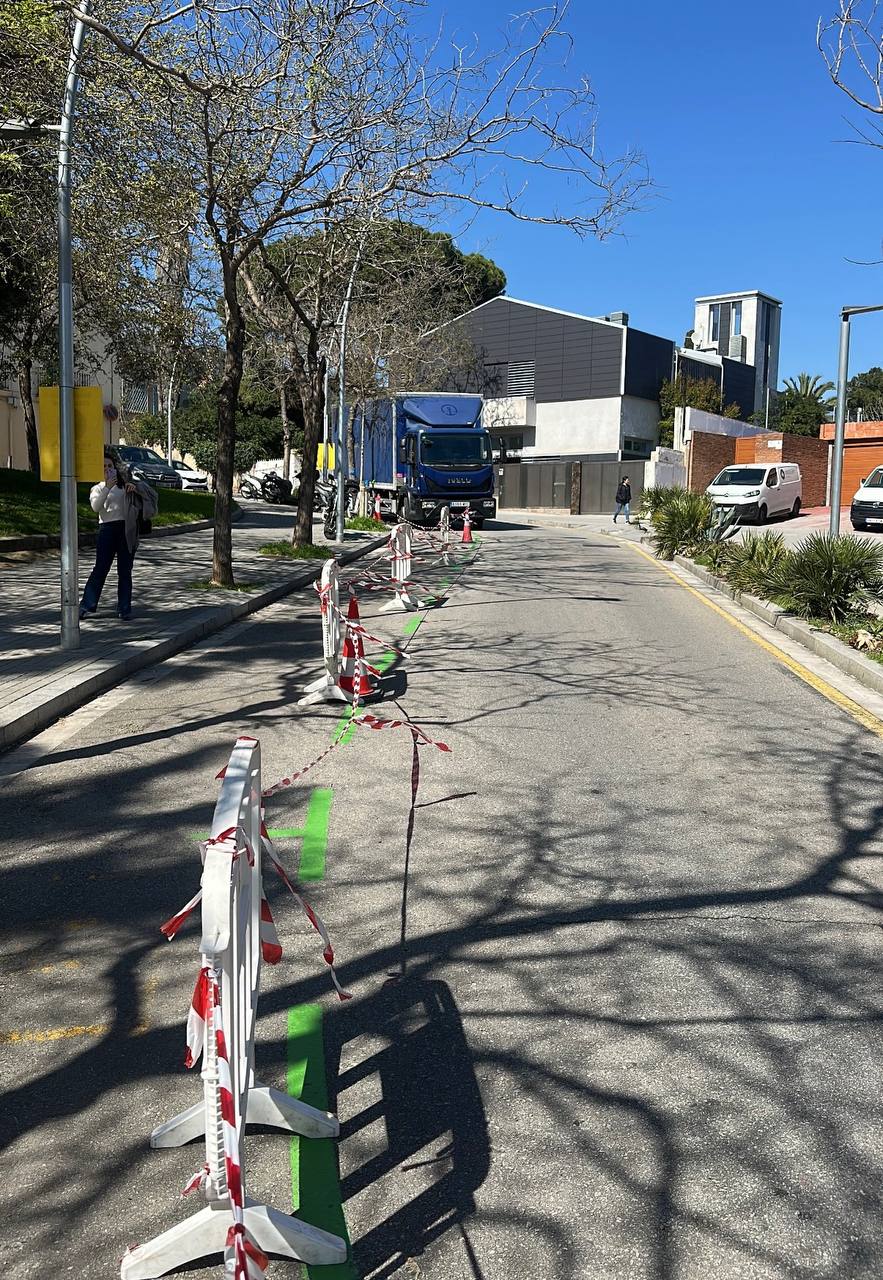
A location can have a narrow street, controlled access, a specific loading window, or limited parking space. The driver needs to know where to enter, where to wait, and who to deliver to. When access is prepared in advance, the camera crew doesn't have to go looking for equipment or reorganise their day around transport.
What to send when requesting camera transport
- Pickup address and location, with operational access if different.
- Date, loading schedule, arrival time and shooting windows.
- An approximate list of flight cases, trolleys and special equipment.
- Volume, weight and need for a tail lift if there's heavy cargo.
- Unloading order and the person responsible for receiving.
- Phone numbers for production, camera or transport coordination.
- Whether the vehicle needs to wait, return, run multiple stops or stay on standby.
Experience you notice before the door even opens
High-value transport isn't sold with generic promises. It's recognised in the preparation, in an organised load, in respect for the crew's schedule, and in communication that lets production know what's happening at every moment. That's the difference between an available vehicle and an operational partner for a shoot.
Need to move cameras or DIT equipment?
Tell us the schedule, locations, approximate volume, special equipment and who's receiving. We'll review the vehicle and the operation before confirming availability.
Coordinate shoot transport →